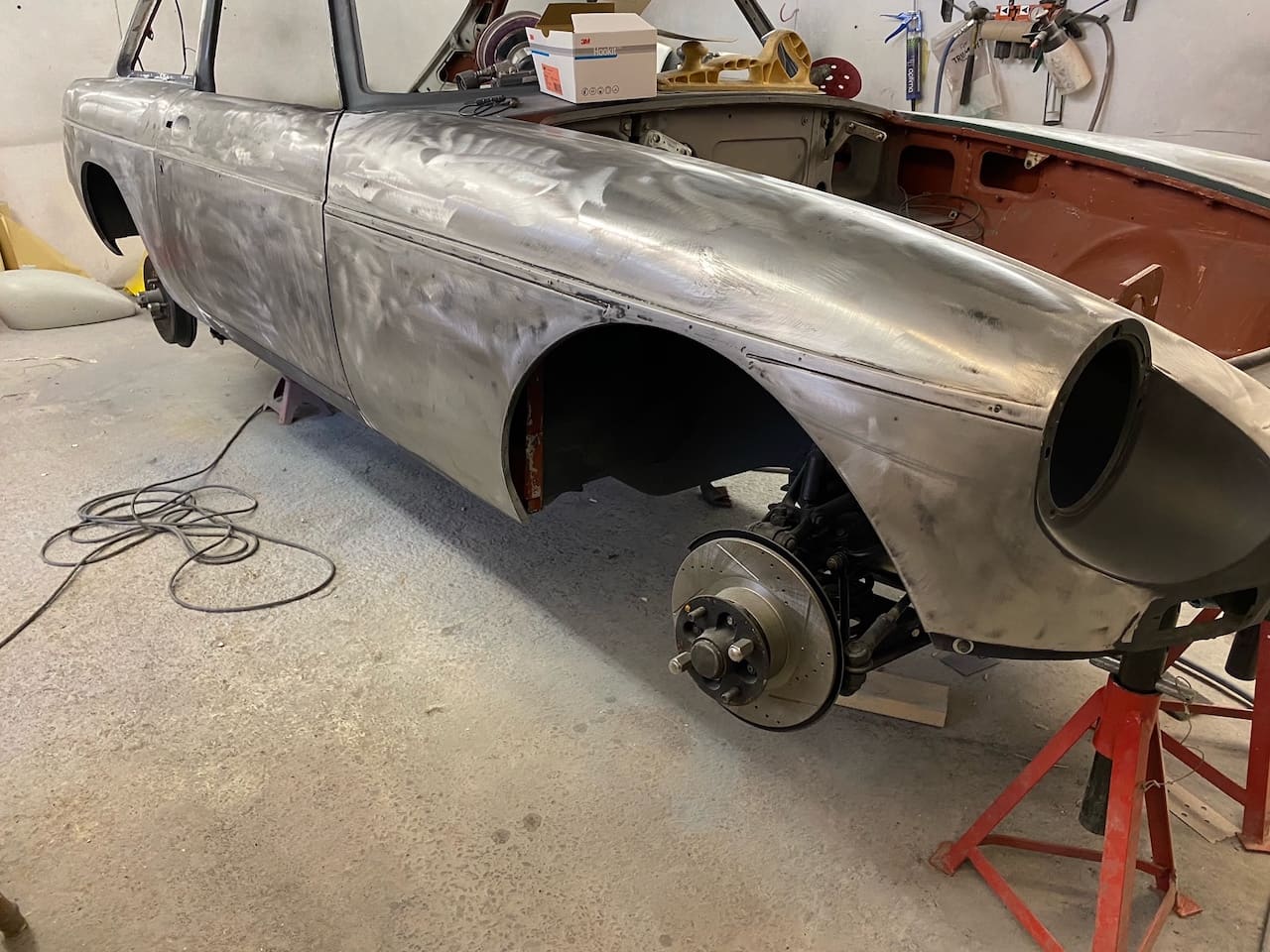
Restoring a classic car can be hugely rewarding, but it is rarely as simple as stripping everything down, replacing a few worn parts and putting it back together again.
The most successful restorations usually begin with a clear idea of what you want from the finished car, an honest assessment of its condition and a realistic understanding of how much work you can tackle yourself.
You might be aiming for a faithful restoration to original specification, preserving a usable older vehicle, creating a show car or simply getting a long-standing project safely back on the road. Each approach can require a very different amount of time, money and specialist work.
This guide takes you through the main stages involved in restoring a classic car and some of the decisions worth making before you start.
Before taking anything apart, decide what the finished car needs to be.
A complete, factory-correct restoration is very different from making a solid and presentable classic suitable for regular use. Trying to achieve a concours-standard finish when you actually want a car you can drive every weekend can add considerable cost and complexity without necessarily making the car more enjoyable.
Think about:
It is worth making these decisions early because they affect almost every stage that follows.
A classic that looks relatively sound from the outside can hide a surprising amount of deterioration underneath.
Before committing to a restoration, inspect the vehicle as thoroughly as possible. Look beyond obvious paint defects and surface rust and pay particular attention to structural areas, previous repairs and places where water and dirt are likely to have collected over the years.
Depending on the car, important areas might include:
Older restoration work also deserves careful inspection. Layers of filler, overlapping repair panels and heavy underseal can hide corrosion rather than cure it.
If you are unsure about the condition of the vehicle, getting an experienced classic-car specialist to inspect it before the restoration begins can prevent some expensive surprises later.
There is no meaningful fixed cost for restoring a classic car. Two examples of the same model can require completely different amounts of work.
A car that is structurally sound but cosmetically tired might need relatively straightforward mechanical servicing, body preparation and paint. Another car that looks superficially similar could require extensive corrosion removal, fabricated panels and structural welding before refinishing can even begin.
Your budget should account for more than the obvious major items. Costs can include:
It is sensible to retain some contingency rather than allocating your entire budget before the vehicle has been stripped. Hidden corrosion and poor historic repairs are common discoveries during classic-car restoration.
Restoring your own car does not necessarily mean doing every task yourself.
Cleaning components, dismantling parts of the vehicle, researching specifications and rebuilding straightforward assemblies can all be enjoyable aspects of the project for a competent enthusiast.
Other jobs demand specialist equipment or experience.
Structural metalwork is a good example. Cutting out corrosion and replacing it properly requires an understanding of both the structure of the vehicle and the correct welding technique. Poor repairs can affect strength, alignment and ultimately safety.
If a project requires extensive structural work, our classic car welding service covers everything from localised panel repairs to chassis work and fabrication.
Professional paintwork is another area where equipment and preparation make a significant difference. A good finish starts long before the colour coat is applied.
Before removing parts, take far more photographs than you think you will need.
Record:
Bagging and labelling fasteners and smaller components as you dismantle the car can also save hours of uncertainty when the time comes to rebuild it.
A restoration that takes months or years is particularly difficult to reassemble from memory alone.
How far you dismantle the vehicle depends on the restoration.
A rolling restoration may allow you to tackle separate areas while keeping the car broadly usable. A complete restoration might involve removing the interior, glass, engine, running gear, wiring and every removable body component before the shell is assessed.
Avoid dismantling the entire vehicle simply because you can. The extent of the strip-down should be appropriate to the work required.
However, if extensive rust repair or a complete respray is planned, proper access to the structure is often essential. It is difficult to assess the true condition of a shell while layers of trim, underseal, filler and old paint remain in place.
Body filler and fresh paint cannot compensate for deteriorated metal underneath.
Once the vehicle has been stripped sufficiently, establish exactly where corrosion is present and determine whether each area can be repaired or needs replacement.
A proper corrosion repair normally involves removing the affected metal until sound material is reached and then replacing the missing section using either an available repair panel or a fabricated piece.
This is one reason restoration costs can change after dismantling. A small visible rust bubble can sometimes be the outer sign of a much larger problem behind the panel.
Where suitable, blasting can also help remove corrosion, coatings and contamination from components or sections being restored. The technique needs to be chosen carefully, particularly on thinner body panels where excessive heat or aggressive blasting can cause damage.
Once welding and fabrication are complete, take time to check the fit of doors, wings, bonnet, boot lid and other removable panels.
Panel gaps on older vehicles were not necessarily as precise as those on a modern car, but getting the basic alignment right before paint is much easier than trying to correct it afterwards.
This stage may involve repeated fitting, adjusting and removing of panels while the underlying structure is still accessible.
It is also the point at which previous accident damage or distortion sometimes becomes more apparent.
Preparation is one of the most important parts of achieving a good classic-car paint finish.
Depending on the condition and intended standard of the restoration, preparation might include removing old coatings, addressing corrosion, repairing panels, applying suitable primers, correcting surface imperfections and repeatedly checking the body before colour is applied.
If originality matters, you will also need to decide whether to retain the original colour and specification.
Changing colour can involve considerably more work than simply painting the visible exterior. Door shuts, engine bays, boot areas and other concealed sections may also need refinishing if the finished car is to look correct.
For owners who want this stage completed professionally, we undertake classic car resprays ranging from individual panels to complete bare-metal refinishing.
There is little point creating beautiful bodywork if the car is unpleasant or unsafe to drive.
Mechanical restoration should therefore form part of the overall plan rather than being treated as an afterthought.
Depending on the vehicle, this could include:
Some components can be rebuilt rather than replaced. Whether that is worthwhile will depend on availability, originality, condition and cost.
If your car needs individual repairs rather than a complete restoration, our classic car repair service covers bodywork as well as a range of mechanical and restoration work.
The smaller details often make the difference between a classic that merely looks freshly painted and one that feels properly restored.
Interior work might involve repairing or replacing:
Original components are often worth preserving when they can be successfully repaired. A slightly aged original item may suit an otherwise sympathetic restoration better than an inaccurate reproduction.
Again, the right decision depends on what you want the finished car to be.
Reassembly is where all the photographs, labels and notes taken at the beginning of the project become invaluable.
A newly painted shell needs particularly careful handling. Rushing this stage can result in damaged paint, missing clips, incorrectly routed wiring or components having to be removed again because something was fitted in the wrong order.
Work systematically and test systems as you go rather than waiting until the entire car is assembled.
Once the vehicle is complete, it is sensible to carry out a thorough inspection and gradually work through any teething problems before considering the restoration finished.
For many enthusiasts, doing at least part of the restoration is a major part of the appeal. There is enormous satisfaction in understanding a car properly and bringing it back into use yourself.
But there is no requirement to do everything.
A common approach is to complete the jobs you are comfortable with and bring in specialists for areas such as fabrication, structural welding, body preparation and paintwork. That can retain much of the enjoyment of a hands-on restoration without compromising stages that require specialist equipment or experience.
Other owners simply want the project managed for them from the outset.
At White's Bodyworks we undertake both individual stages and more extensive classic car restoration projects from our workshop in West Sussex.
That depends on why you are doing it.
It is risky to assume that every pound spent restoring a car will be reflected in its resale value. A comprehensive restoration can easily cost more than the difference between the value of a poor example and an excellent one.
For rare or particularly desirable vehicles, restoration may make financial sense. For many owners, however, the motivation is less about investment and more about preserving a particular car, retaining something with personal history or simply enjoying the process.
Before starting, research the value of completed examples of the same model and compare that with the likely restoration cost. Most importantly, decide whether the finished vehicle is something you actually want to own and use.
The best restoration projects usually begin long before the first bolt is removed.
Understand the condition of the car, decide what standard you are aiming for, work out which jobs you can undertake safely and realistically, and identify where specialist help will be required.
Once work begins, expect the plan to evolve. Classic vehicles have often been repaired, modified and repainted several times during their lives, and it is common to discover issues that could not have been seen at the outset.
If you are planning a project and would like help with anything from welding and fabrication or paintwork through to a complete classic car restoration, White's Bodyworks can assess the vehicle and discuss the most practical way forward.